Blog
How we perceive numbers, distribute attention and solve competing tasks. Research, ideas and the science behind Anadidax.

From Working Memory to Long Short-Term Memory: The Evolution of Memory in Artificial Neural Networks
How neural-network memory evolved from feedforward and recurrent architectures to LSTM, GRU, Transformers, and selective state-space models.
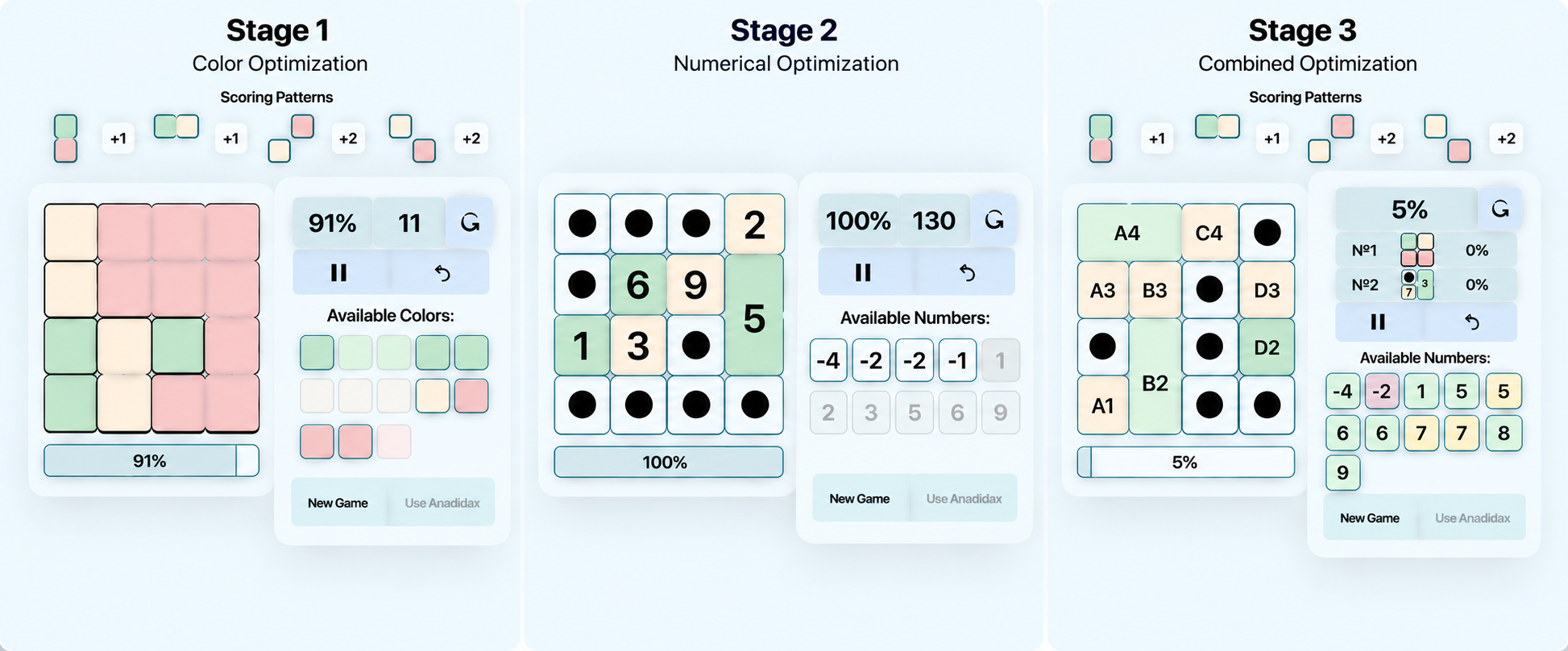
Experimental Model
A three-stage cognitive experiment combining color, numerical, and joint optimization.
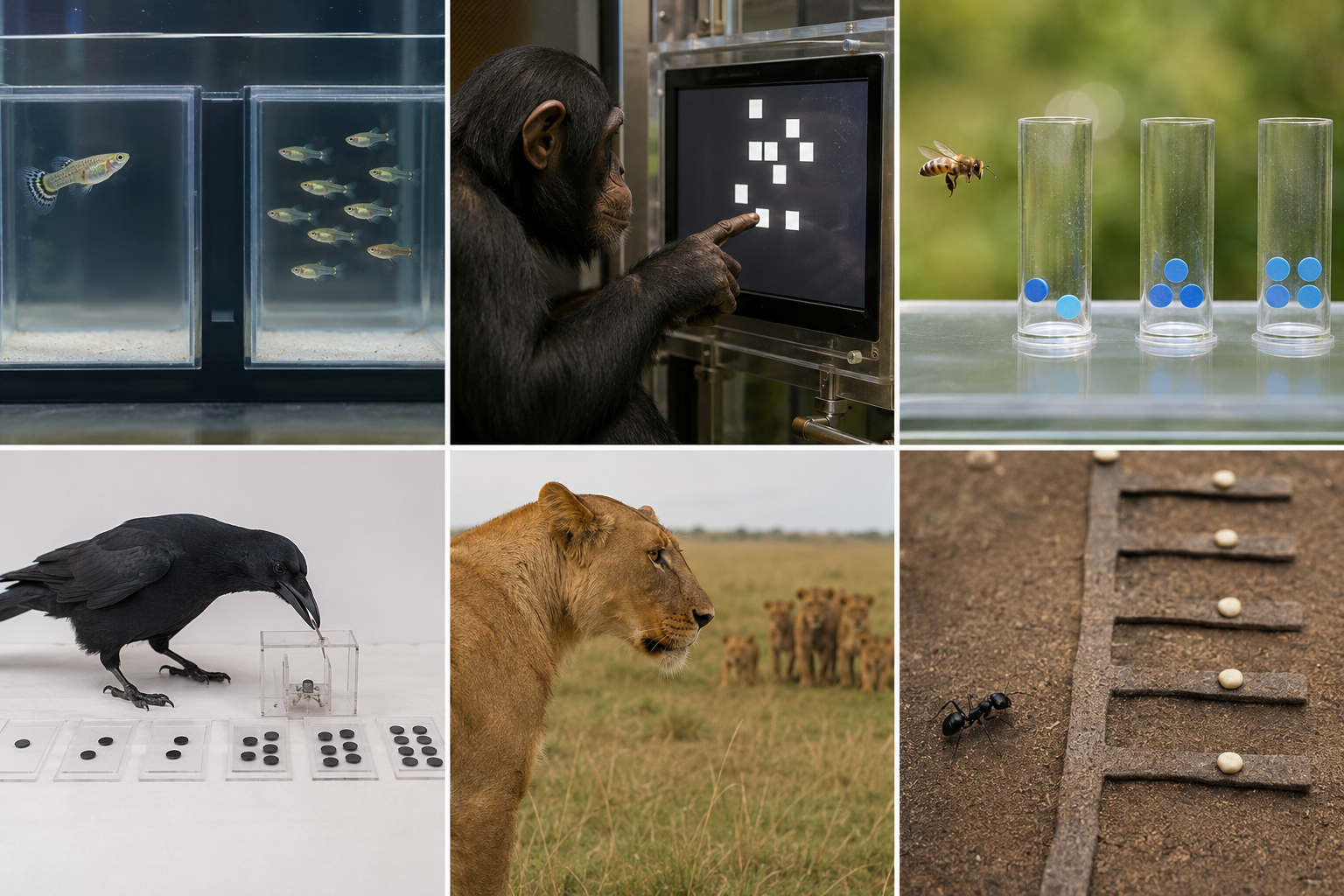
How Animals Helped Us Understand the Nature of Number
From Clever Hans to experiments with primates, fish and insects: a history of research on quantity perception in animals.

[Part II] Approximate Number System: The Emergence of a Modern Theory of Numerical Perception
How the theory of approximate quantity perception developed, from early models to research on humans and other primates.

[Part I] The History of Subitizing: From Early Experiments to Theories of Visual Attention
Why small groups of objects can be recognized without counting, and how experiments on subitizing shaped theories of visual attention.

Dual-Task Paradigm: Attention and Cognitive Resources
How people allocate limited cognitive resources between competing tasks.

Why Counting on Fingers Is a Foundation of Mathematics
The role of finger gnosis, working memory and motor representations in learning to count and developing arithmetic skills.
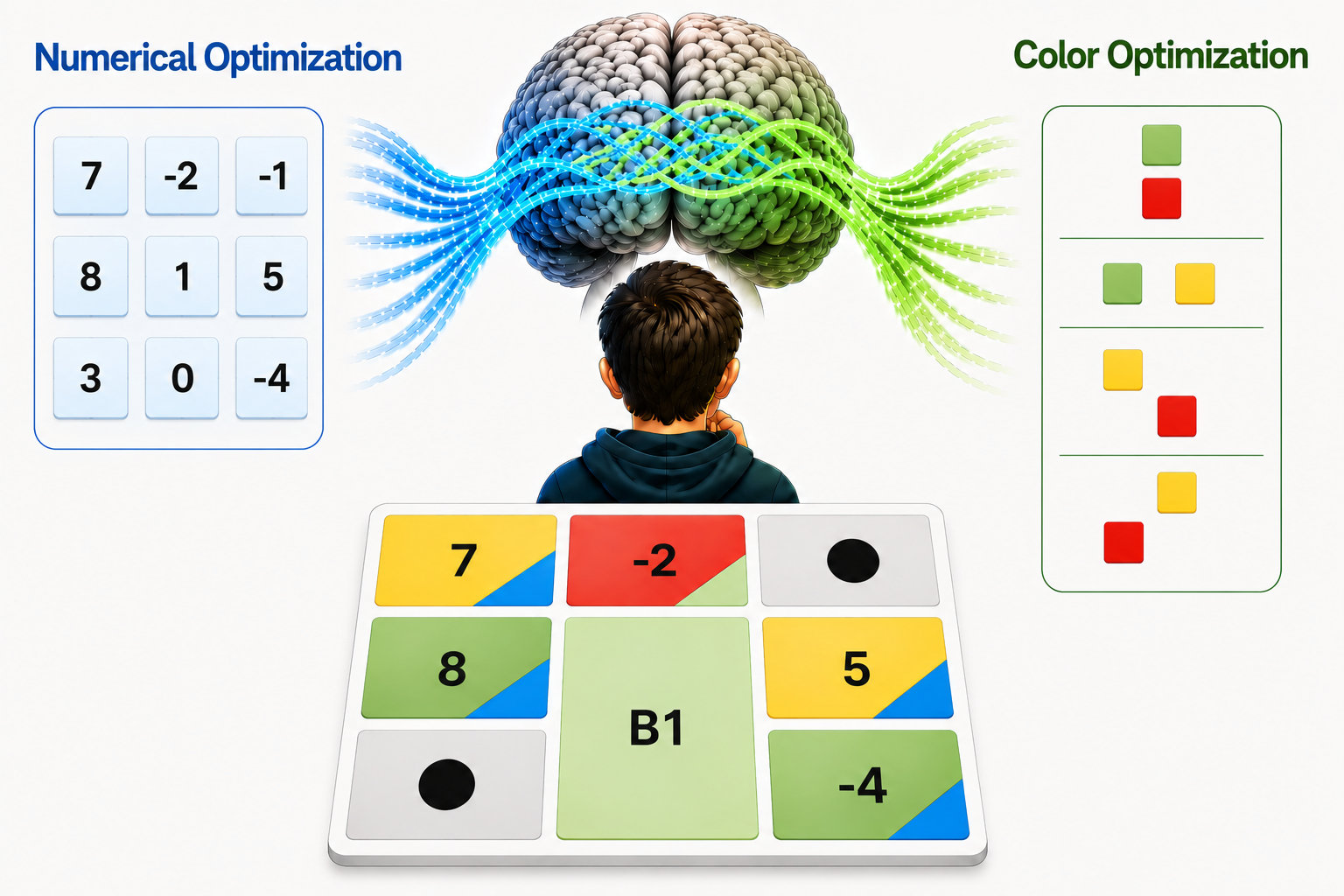
Dual-Goal Optimization Under Time Pressure
How a game with two competing goals helps investigate response selection, attention and cognitive conflict under time pressure.